Education

The Resilience guide for parents and teachers
Children’s problems include adapting to a new classroom, bullying by classmates, or abuse at home, but resilience is the ability to thrive despite these challenges.
Love to read? Our History is Amazing

Nigger
Randall Kennedy takes on not just a word, but our laws, attitudes, and culture with bracing courage and intelligence—with a range of reference that extends from the Jim Crow south to Chris Rock routines and the O. J. Simpson trial.
It’s “the nuclear bomb of racial epithets,” a word that whites have employed to wound and degrade African Americans for three centuries. Paradoxically, among many Black people it has become a term of affection and even empowerment.
The word, of course, is nigger, and in this candid, lucidly argued book the distinguished legal scholar Randall Kennedy traces its origins, maps its multifarious connotations, and explores the controversies that rage around it.
Should Blacks be able to use nigger in ways forbidden to others? Should the law treat it as a provocation that reduces the culpability of those who respond to it violently? Should it cost a person his job, or a book like Huckleberry Finn its place on library shelves?
Source: Knopf Doubleday Publishing Group
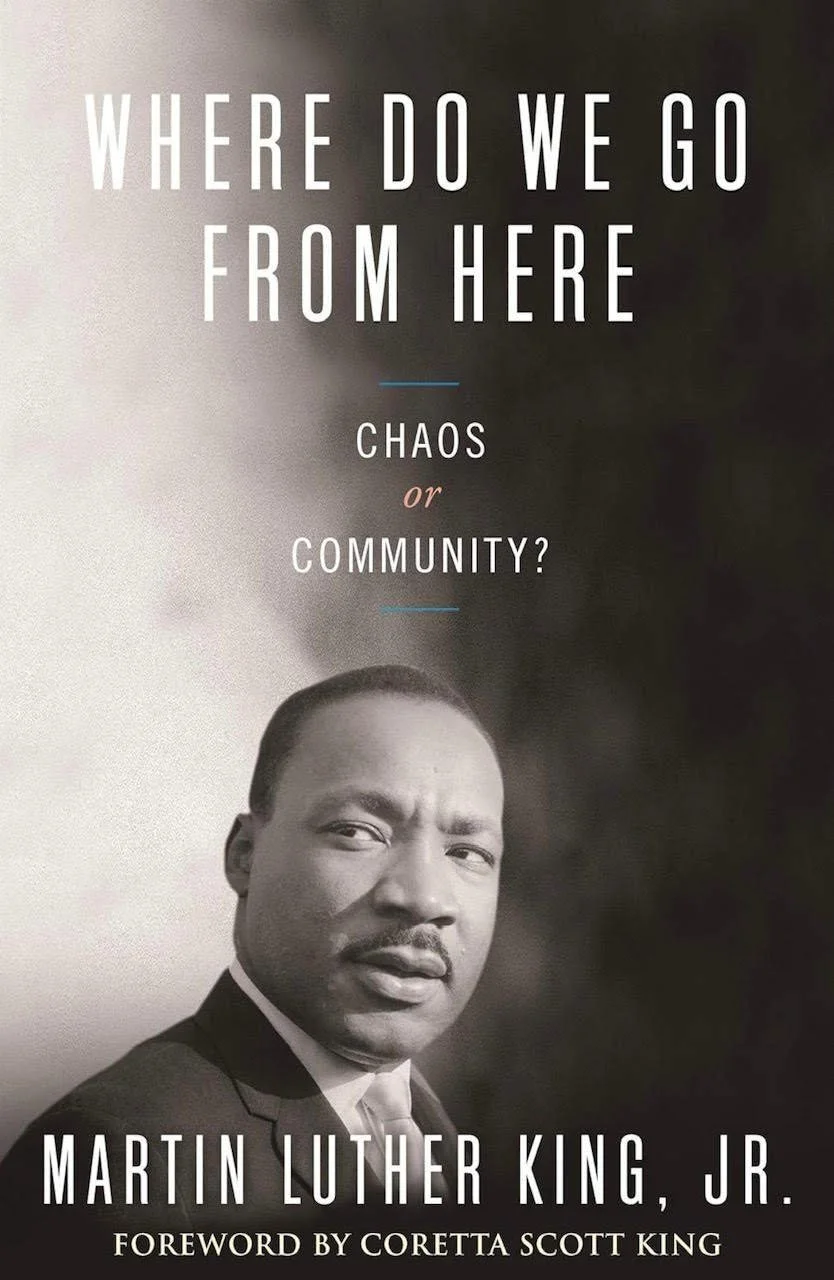
Where Do We Go From Here
The final book by Dr. Martin Luther King, Jr. in which we find we an acute analysis of American race relations and the state of the movement after a decade of civil rights efforts.
"In this book—his last grand expression of his vision—he put forward his most prophetic challenge to powers that be and his most progressive program for the wretched of the earth." —Cornel West
In 1967, Dr. Martin Luther King, Jr., isolated himself, rented a house in Jamaica with no telephone, and labored over his final manuscript. In this significantly prophetic work, we find King’s acute analysis of American race relations and the state of the movement after a decade of civil rights efforts.
Here he lays out his thoughts, plans, and dreams for America’s future, including the need for better jobs, higher wages, decent housing, and quality education. With a universal message of hope that continues to resonate, King demanded an end to global suffering, powerfully asserting that humankind—for the first time—has the resources and technology to eradicate poverty.
Source: Beacon Press
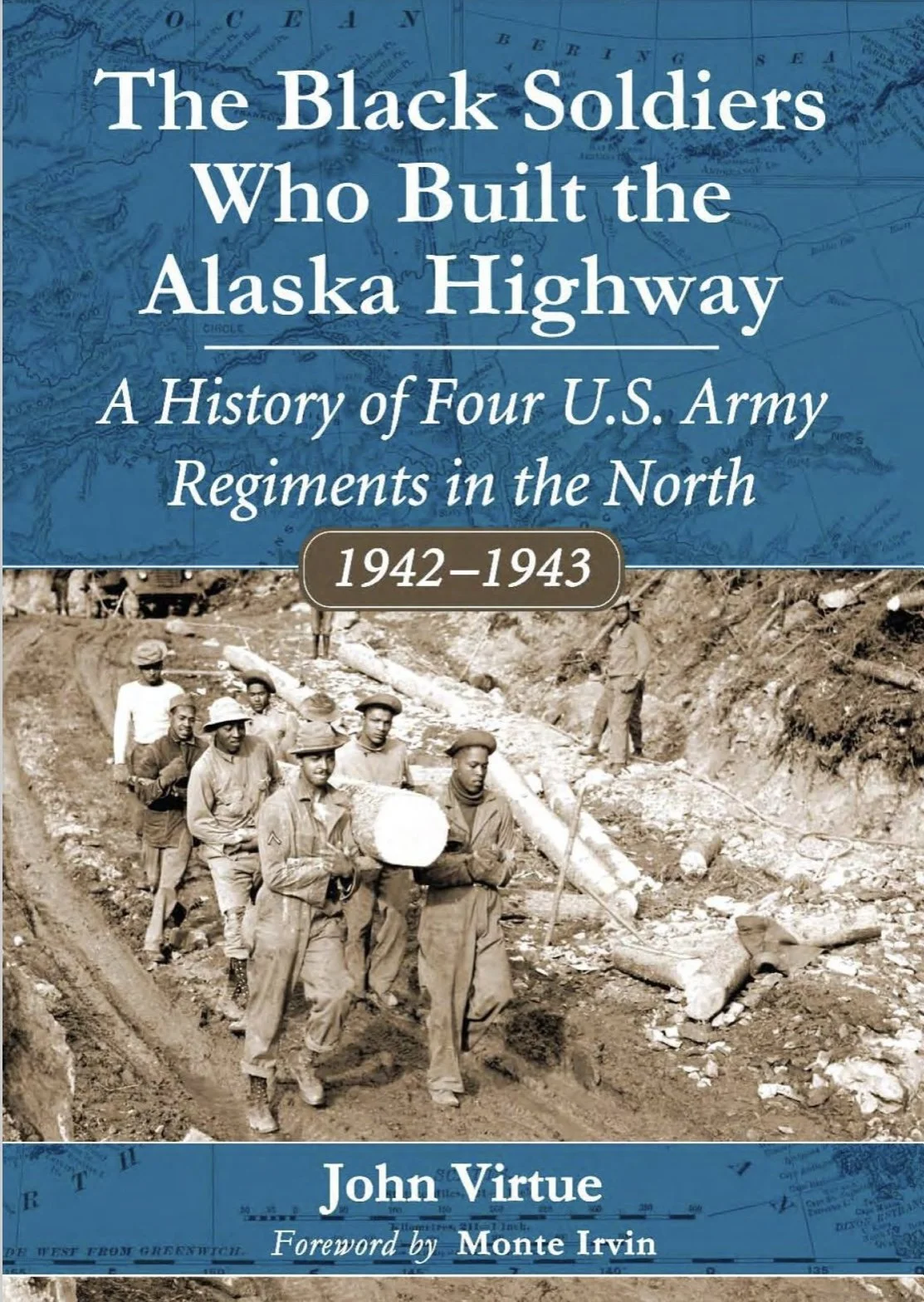
The Black Soldiers Who Built the Alaska Highway
This is the first detailed account of the 5,000 black troops who were reluctantly sent north by the United States Army during World War II to help build the Alaska Highway and install the companion Canol pipeline. Theirs were the first black regiments deployed outside the lower 48 states during the war. The enlisted men, most of them from the South, faced racial discrimination from white officers, were barred from entering any towns for fear they would procreate a “mongrel” race with local women, and endured winter conditions they had never experienced before. Despite this, they won praise for their dedication and their work. Congress in 2005 said that the wartime service of the four regiments covered here contributed to the eventual desegregation of the Armed Forces.
Source: McFarland & Company
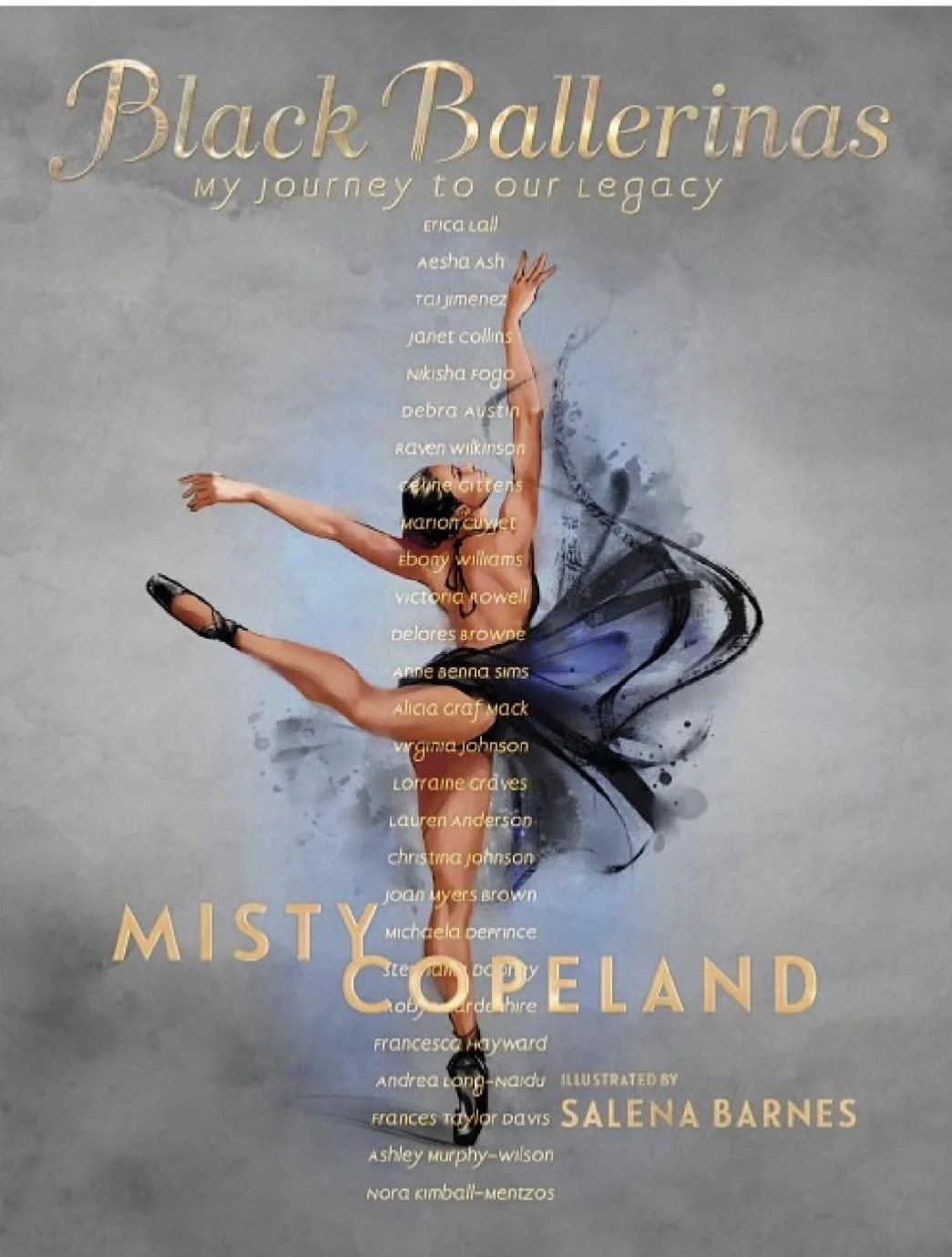
Black Ballerinas
From New York Times bestselling and award-winning author and American Ballet Theatre principal dancer Misty Copeland comes an illustrated nonfiction collection celebrating dancers of color who have influenced her on and off the stage. As a young girl living in a motel with her mother and her five siblings, Misty Copeland didn’t have a lot of exposure to ballet or prominent dancers. She was sixteen when she saw a black ballerina on a magazine cover for the first time. The experience emboldened Misty and told her that she wasn’t alone—and her dream wasn’t impossible. In the years since, Misty has only learned more about the trailblazing women who made her own success possible by pushing back against repression and racism with their talent and tenacity. Misty brings these women’s stories to a new generation of readers and gives them the recognition they deserve. With an introduction from Misty about the legacy these women have had on dance and on her career itself, this book delves into the lives and careers of women of color who fundamentally changed the landscape of American ballet from the early 20th century to today.
Source: Simon & Schuster